From the ground
What the community saw
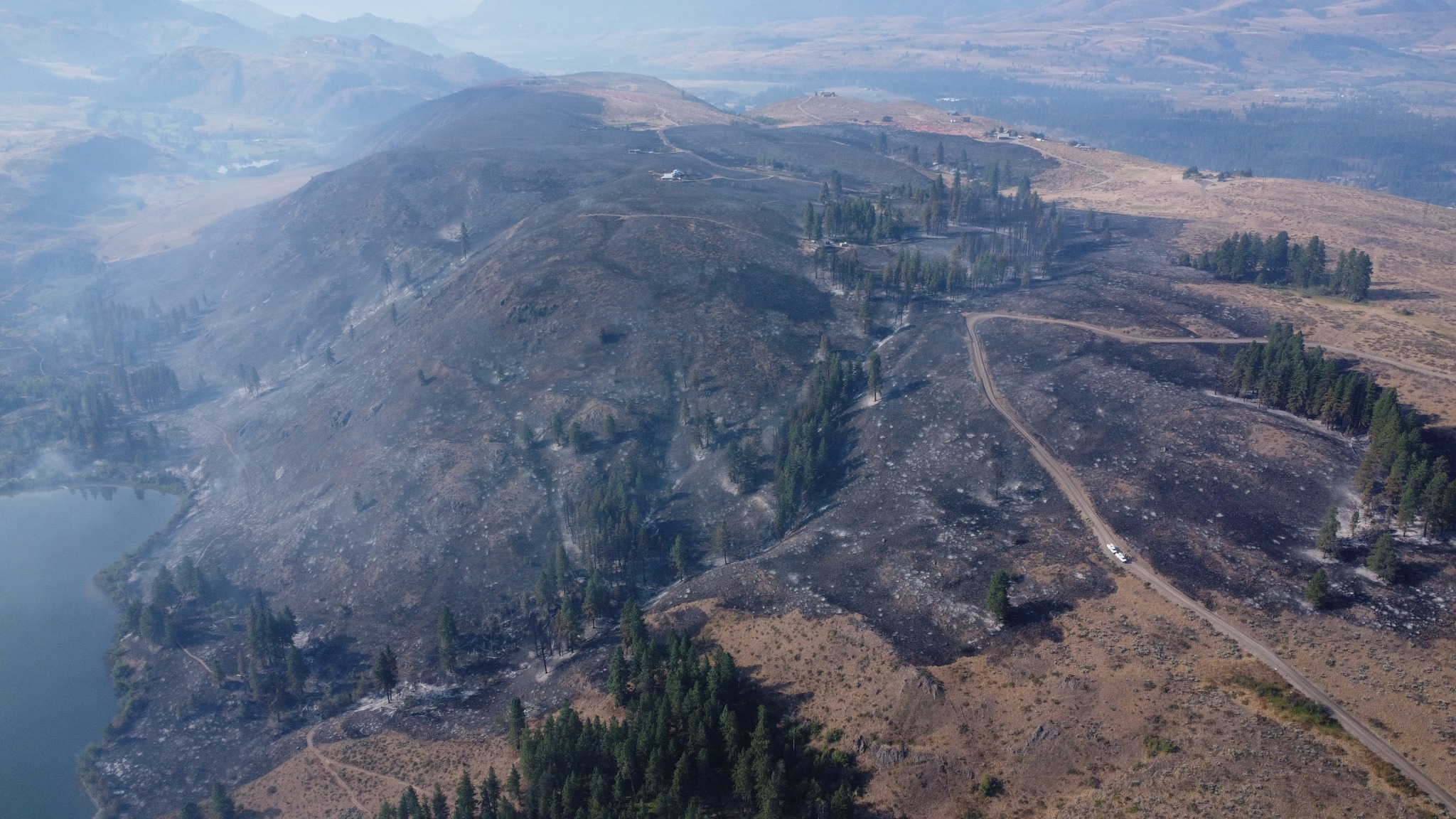
After. Hundreds of acres burned black. Retardant lines visible where the fire was stopped.
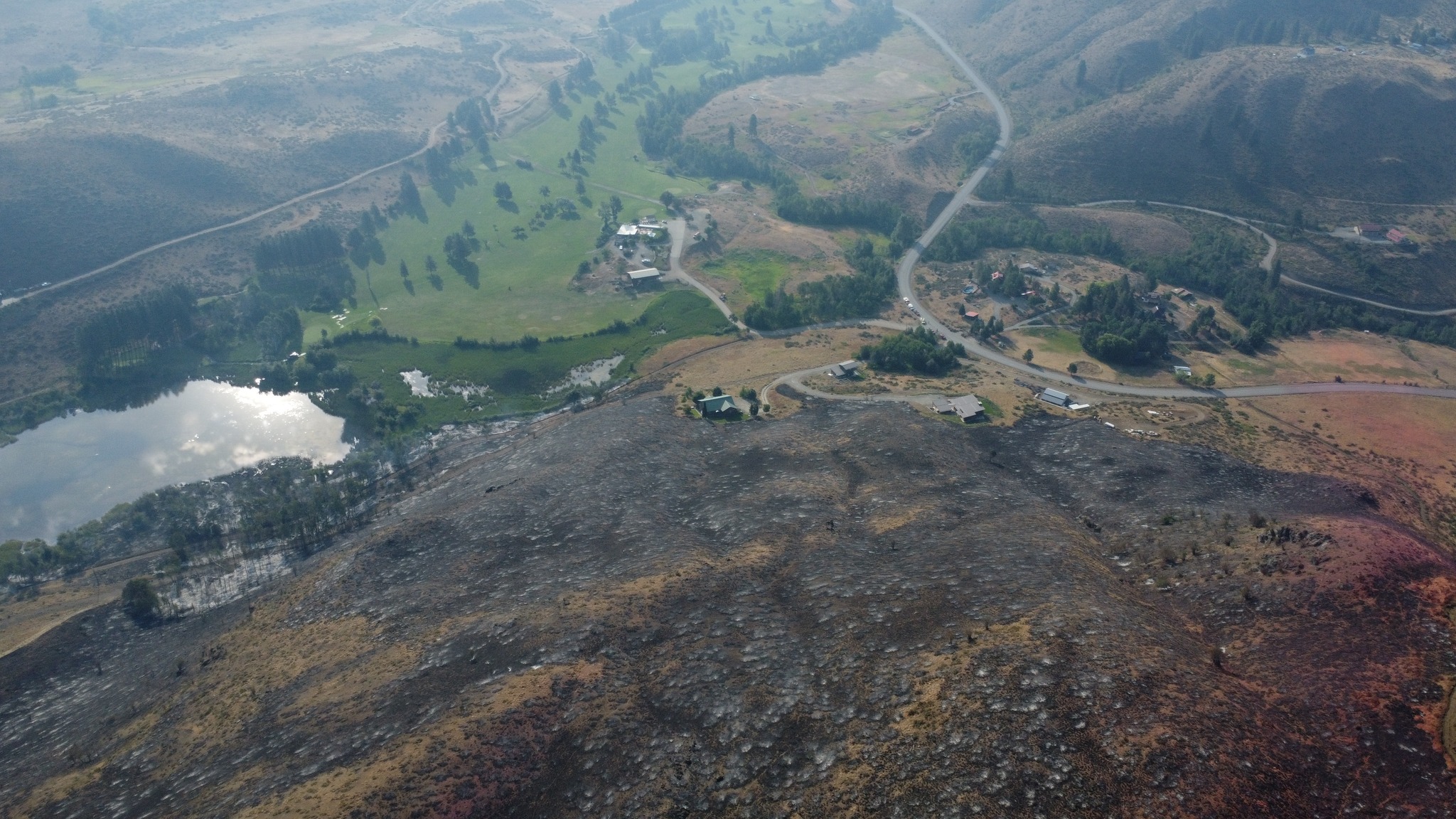
Feet from homes. The burn line stopped here.
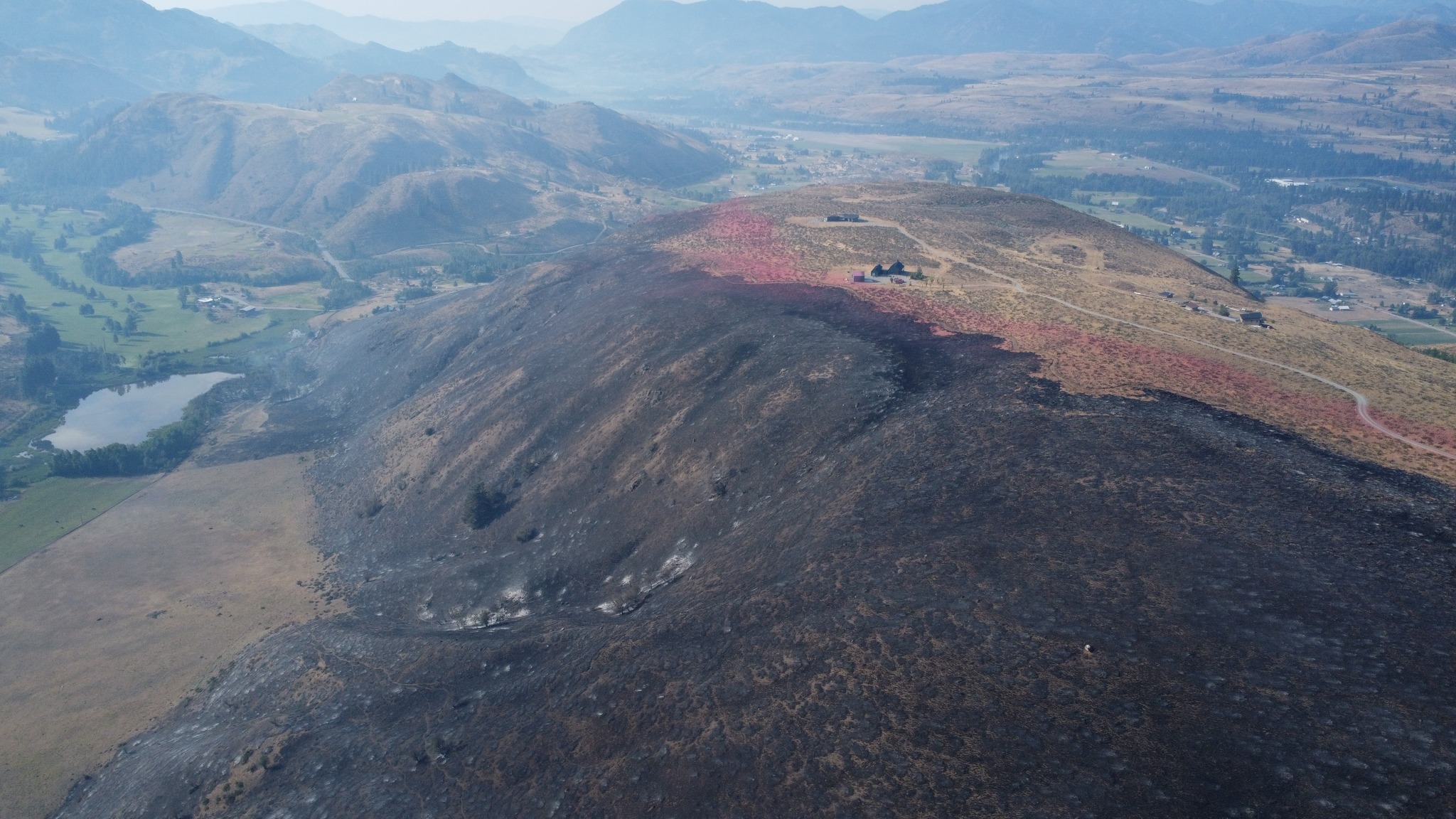
Retardant lines saved these homes.
Active crowning. Running through ponderosa.
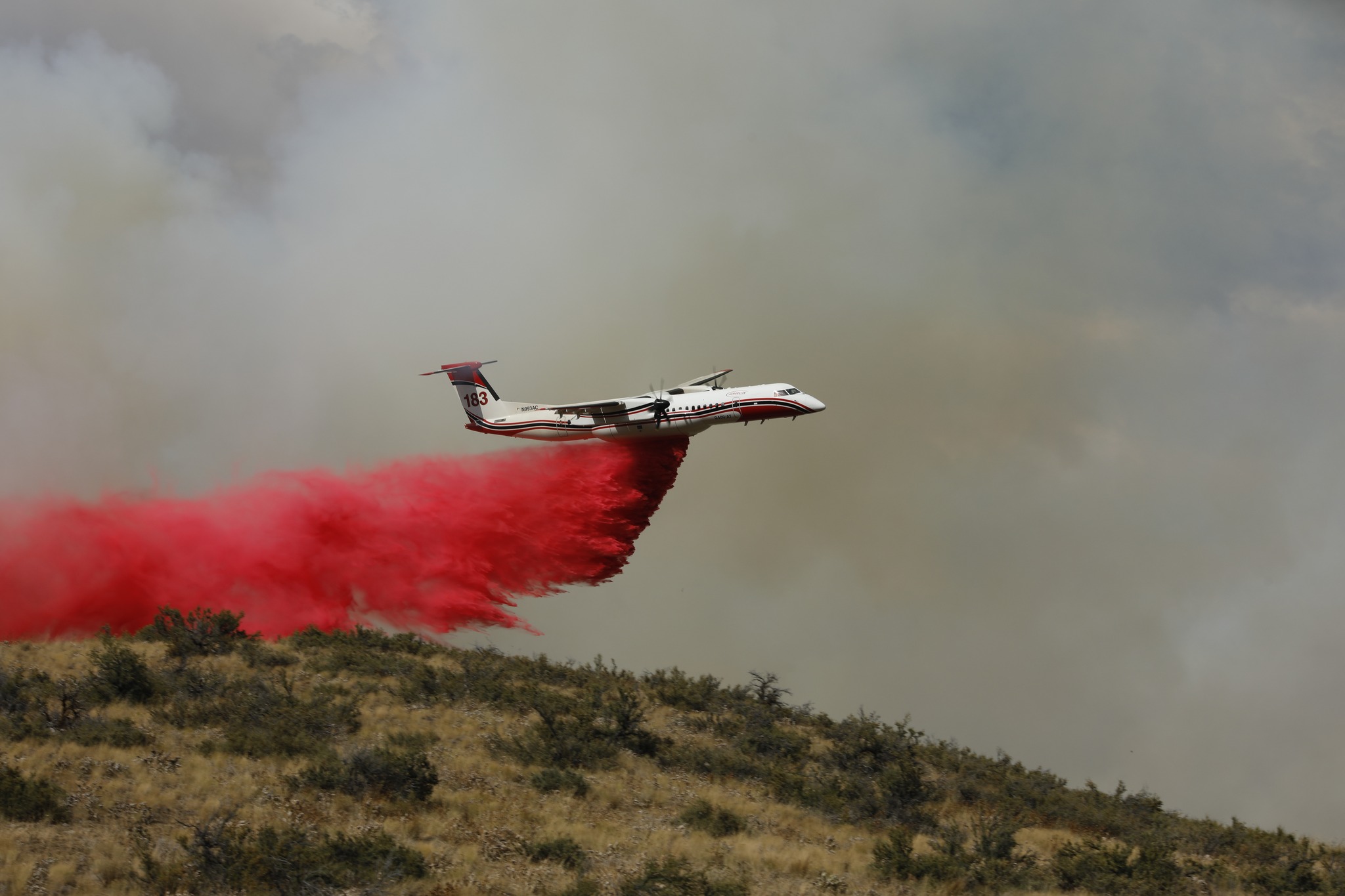
Air tanker 183. Resources this district cannot provide itself.
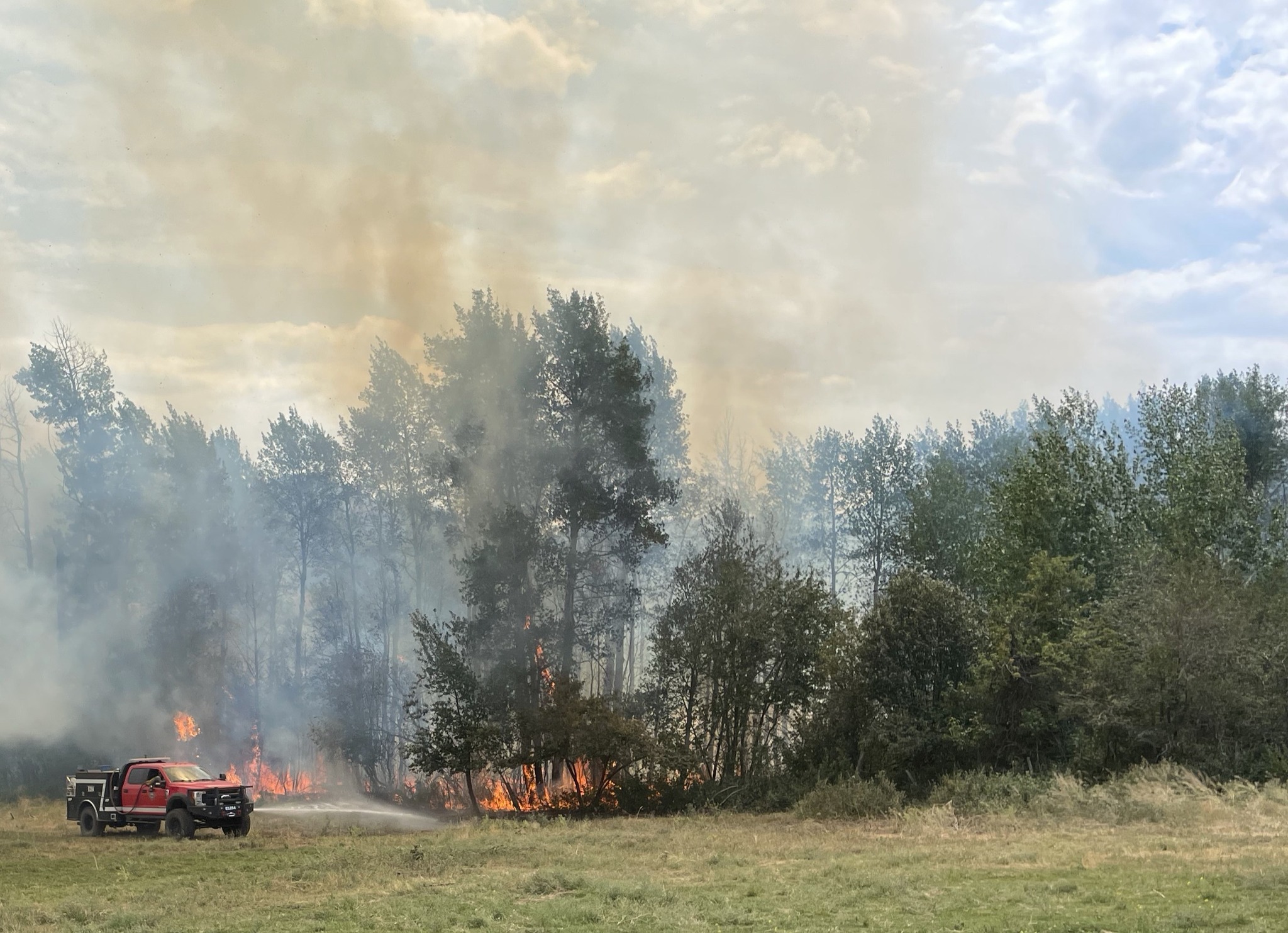
One brush truck. Defending a property line while trees burn behind it. This is the ground reality.
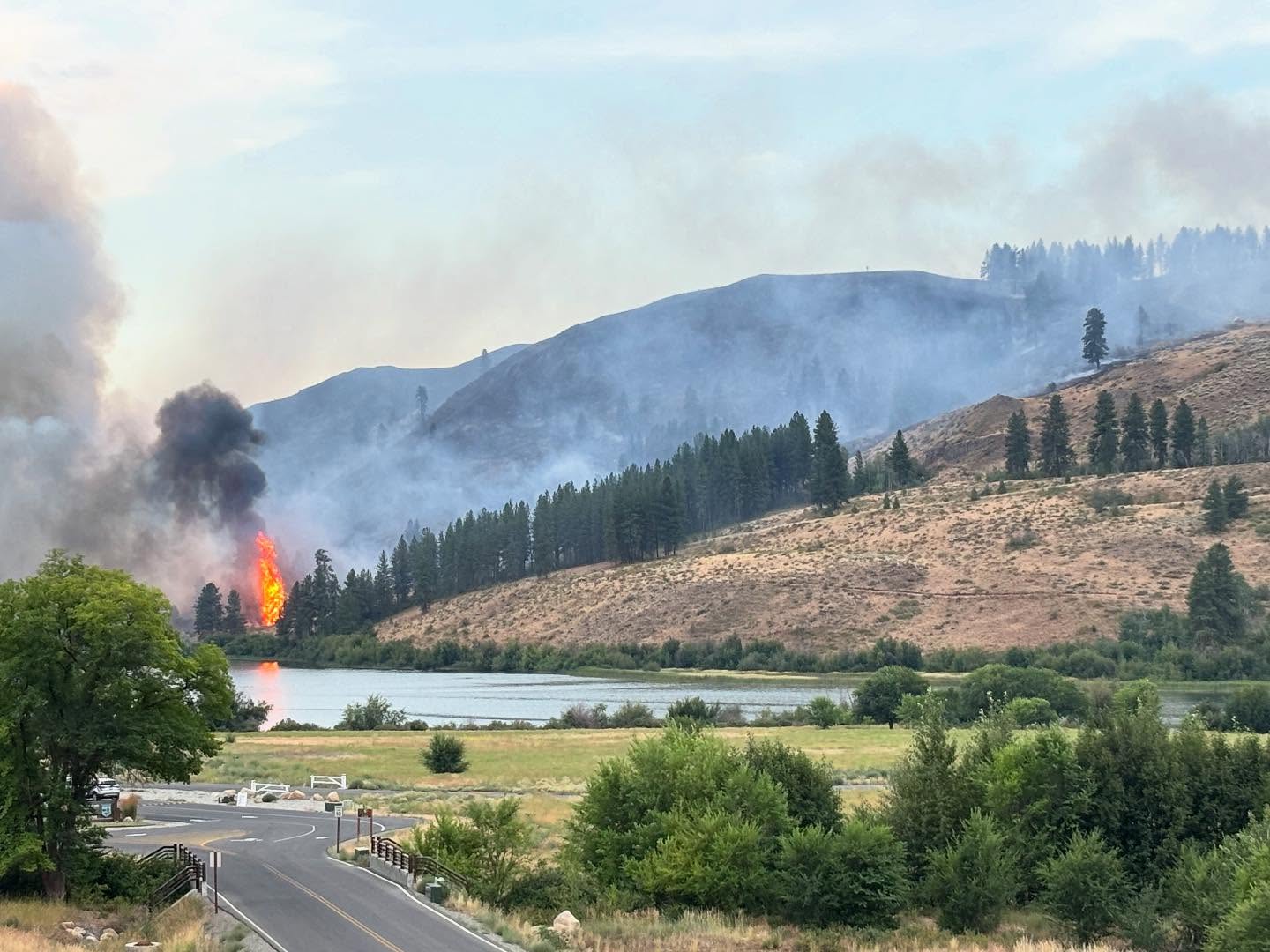
Trees torching near Pearrygin Lake.
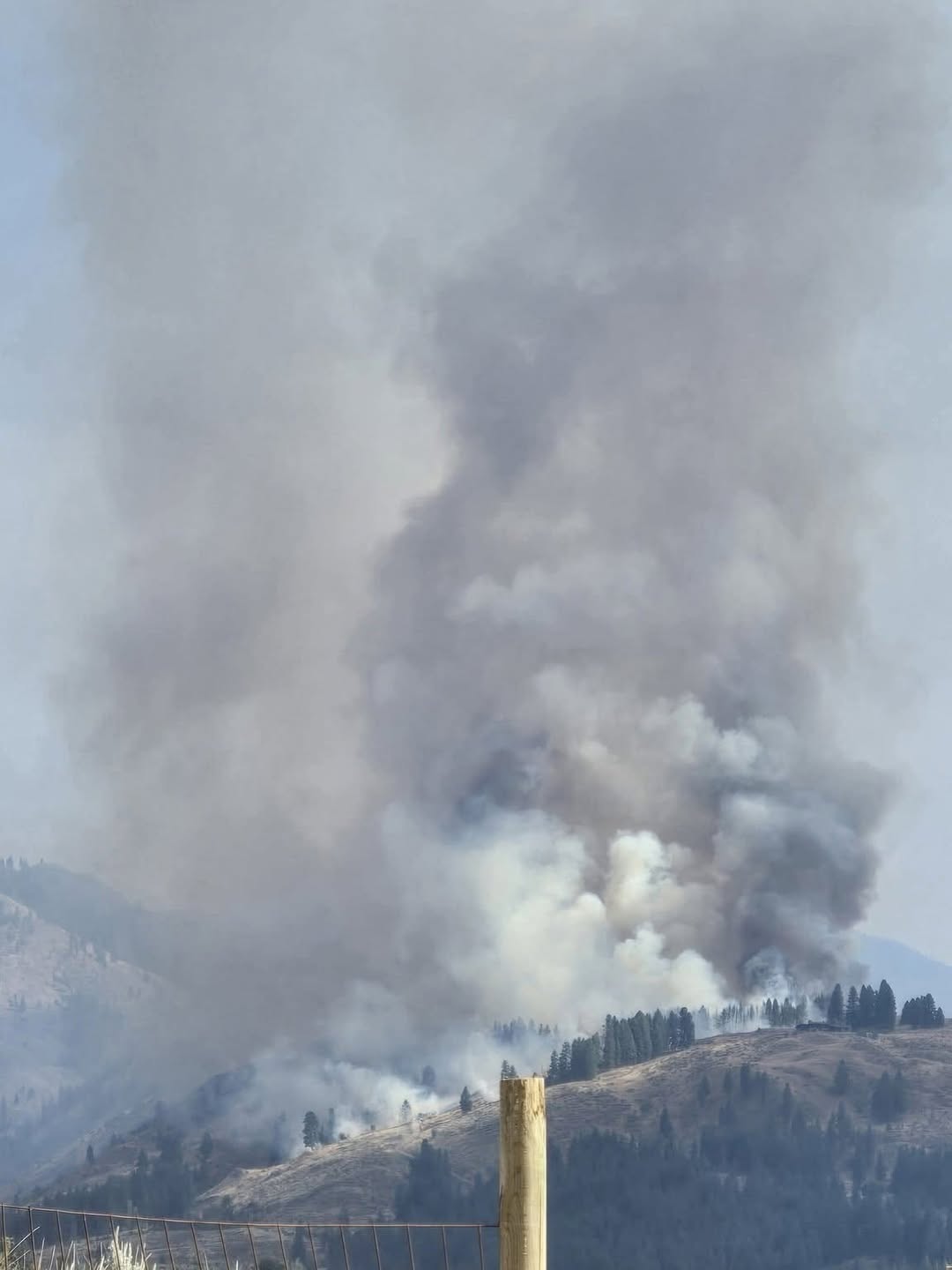
From someone's yard. The fence post tells the scale.
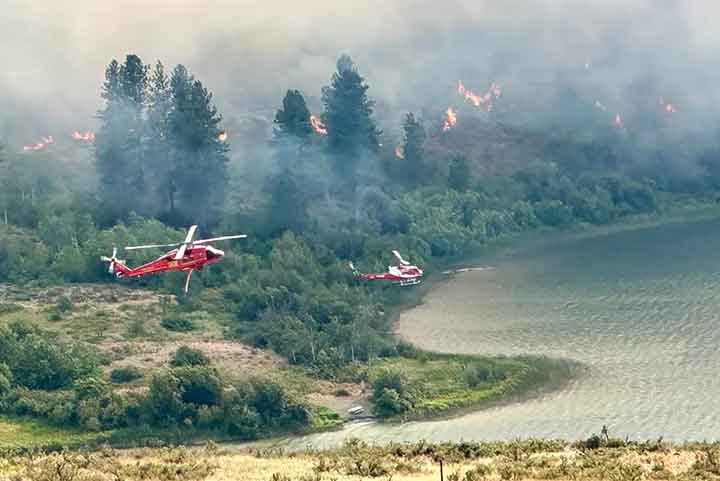
Helicopters at Pearrygin Lake -- helibase.
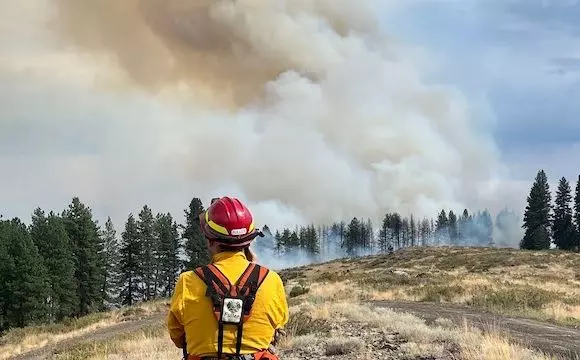
One firefighter, one hand tool, a big landscape.
The camera
77 frames from the Sage Canyon time-lapse
A trail camera on Sage Canyon. One frame every five minutes. It caught the whole thing -- from clear morning sky to a valley choked with smoke, helicopters, and DC-10 tankers.

drag to mark something
Winthrop, WAthe town
Goat Peakfire lookout
Fawn Peak6,512 ft
Studhorse Mountainwhere the fire will start
Pearrygin Lakestate park
Storm clouds. A flash of lightning.
Smoke.
Reported by Goat Peak lookout
Sheriff's deputy requests
2 tankers + air attack
2 tankers + air attack
~$18k/hr · structures threatened .25 mile
Wind shifting — fire pushed southeast toward homes
NWS to dispatch: "strong NW wind shift within the hour"
DC-10 diverted to fire
9,400 gallons of retardant · 27k/hr
Rain. Drops on the lens.
0.03" at Winthrop weather station · enough to slow it down
300 acres. It was half an acre three hours ago.
Clear sky. Aircraft can see the fire.
This is the margin. Visibility lets air attack work.
Nighttime approaches.
550 acres. 318 personnel. $500K.
550 acres. 318 personnel. $500K.
Three agencies. 78 resources. One afternoon.
0
on scene
press play to start
Ignition.
The Studhorse Fire in 200 frames.
The Studhorse Fire in 200 frames.
watch the fire
slow
step
The official count
By 10:45 PM that night
550 acres
burned in one afternoon
5%
contained at first report
200
homes threatened
300
people evacuated
318
total personnel assigned, 3 agencies
Type 3
incident complexity
multiple agencies, overhead team,
50+ personnel required
multiple agencies, overhead team,
50+ personnel required
The gap
What this district had vs. what the fire needed
Ground defense, first 63 min
4
2 DNR engines + 1 county sheriff + 1 DNR battalion chief
No air on scene until 4:21 PM. No dozer until 6:44 PM.
OCFD6 volunteers also self-responded
No air on scene until 4:21 PM. No dozer until 6:44 PM.
OCFD6 volunteers also self-responded
vs.
Studhorse Fire by 10:45 PM
318
total personnel assigned
78 resources (engines, dozers, crews, aircraft)
3 agencies (USFS, WA DNR, WA State)
11 aircraft overhead by dusk
78 resources (engines, dozers, crews, aircraft)
3 agencies (USFS, WA DNR, WA State)
11 aircraft overhead by dusk
Three agencies — U.S. Forest Service, WA DNR, and state-mobilized engines. 60 engines, 4 dozers, 4 hand crews, 11 aircraft. First units on scene were state and county.
The incident commander's report that night described the challenge simply: this was a state fire, and they had to work across federal and state agencies to find enough resources to fight it.
The conditions were favorable
Rain at 5:15. 0.03" — enough to slow the fire while crews got into position.
Winds dropped after 6 PM. In the 2014 Carlton Complex — same valley, same fuel — winds held through the night. 256,000 acres, 353 homes destroyed.
Clear sky. Aircraft could see the fire. Smoke or clouds would have grounded them.
Aircraft were available. The DC-10 was already airborne. Not guaranteed on any given day.
This is what it took with favorable conditions. The first call was for 20 engines — 60 people and 20 vehicles the district didn't have.
Winds dropped after 6 PM. In the 2014 Carlton Complex — same valley, same fuel — winds held through the night. 256,000 acres, 353 homes destroyed.
Clear sky. Aircraft could see the fire. Smoke or clouds would have grounded them.
Aircraft were available. The DC-10 was already airborne. Not guaranteed on any given day.
This is what it took with favorable conditions. The first call was for 20 engines — 60 people and 20 vehicles the district didn't have.
What it cost
$1.75M
Projected total cost for one fire, one afternoon. That's more than the district collects in a year of property taxes. None of this was our budget — it was state and federal money. The question is what it would cost to defend ourselves without that help.
The full arc
July 31 to August 4 — all times PDT
Call signs & agencies ▾
E=Engine
T=Tanker
H/HT=Helicopter
K=Lead Plane
S=Scooper
AA=Air Attack
BATT=Battalion Chief
SO=Sheriff
E-72xx, BATT-42, Fuels = WA DNR (state) SO-28 = Okanogan County All aircraft = federal (contracted)
E-72xx, BATT-42, Fuels = WA DNR (state) SO-28 = Okanogan County All aircraft = federal (contracted)
Jul 31 — 3:18 PM
Fire reported. Goat Peak lookout spots smoke. DNR engine and county sheriff dispatched.
Jul 31 — 3:25 PM
First engine on scene. Half an acre, structures threatened.
Jul 31 — 3:35 PM
Battalion chief requests 20 engines for structural protection. "Life and property immediately threatened." On the ground: 2 engines and a sheriff. Nothing in the air.
Jul 31 — 4:05 PM
20 acres. 47 minutes in. All air resources still in transit.
Jul 31 — 4:21 PM
First aircraft overhead. 63 minutes after ignition. Ground crews have been defending structures alone.
Jul 31 — 4:25 PM
"STRONG NW WIND SHIFT WITHIN THE NEXT HOUR." National Weather Service warning.
Jul 31 — 4:48 PM
Second fire spotted SE of Pearrygin Lake.
Jul 31 — 5:02 PM
DC-10 diverted mid-flight. Already airborne on another assignment. 9,400 gallons of retardant.
Jul 31 — 6:25 PM
300 acres. Fire has grown 600x in three hours. Management team ordered.
Jul 31 — 6:44 PM
First dozer on scene. 3.5 hours after ignition. Until now: engines, hand crews, and air.
Jul 31 — 6:58 PM
488 acres. 20 to 500 in under 3 hours.
Jul 31 — 10:45 PM
Official report filed. 550 acres, 5% contained. 200 homes threatened, 300 evacuated. 318 personnel, 78 resources. $500K cost to date.
Aug 1 -- morning
Command transfers to a regional incident management team. Fire backing and creeping. Brief rain — "the effect was minimal and short-lived." Fuels still critically dry.
Aug 1 -- 5:00 PM
Incident update: 540 acres, still 5% contained. 325 homes threatened (up from 200). 570 minor structures threatened. 4 destroyed. Projected cost rises to $1.75M. 135 personnel.
Aug 2 -- 4:30 PM
543 acres, 60% contained. Fire behavior minimal -- creeping, smoldering. Mop-up operations. IR identifies isolated heat outside containment. 20 homes still threatened, down from 325. "No critical resource needs."
Aug 4
Anticipated containment and demobilization date. "No critical resource needs." Final cost: $600K to date, $1.75M projected.
When this story comes up
Five minutes at a board meeting
Your first board meeting -- March
Five minutes, co-presented with Chief Acord. The timeline plays. The numbers land. "This is what happened here last summer, and this is what our district had to work with."
Any Saturday at the grocery store
"550 acres in one afternoon. 300 people evacuated. We had four career staff and twenty-five volunteers across three hundred square miles. By the end of the night, three hundred and eighteen personnel were assigned to that fire -- crews, engines, overhead, aircraft. That's what a fire season looks like here."
When overtime comes up
$1.75 million projected cost for one fire, one afternoon. That's the scale of what lands on this district.
With the Chief -- this week
He was there. He managed the initial response with four career staff before 318 personnel were assigned across three agencies. Start from shared ground.
Still need
To complete the story